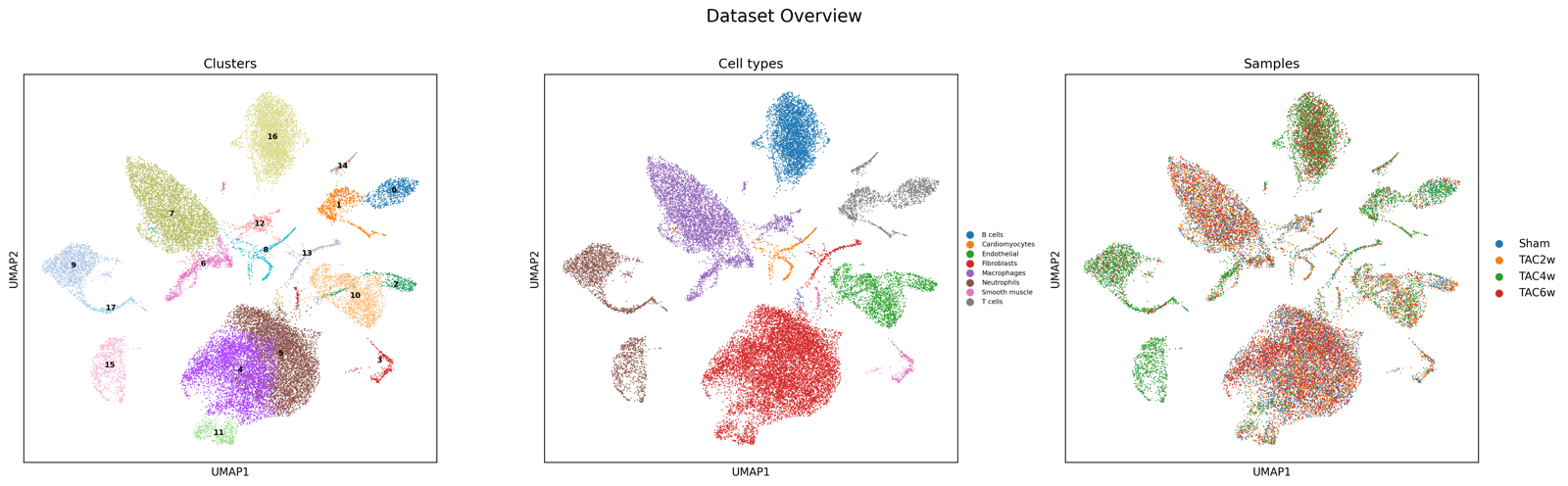
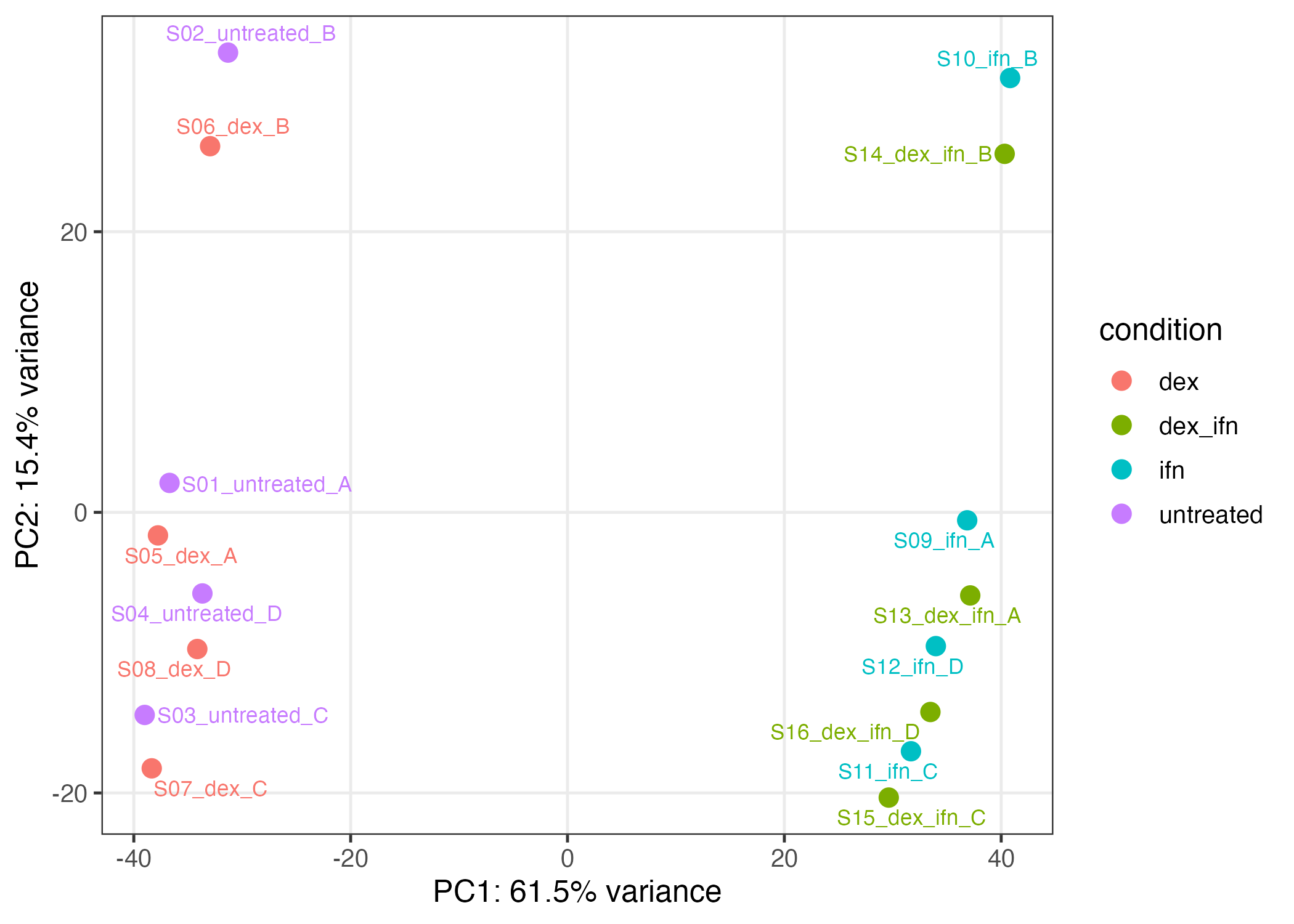
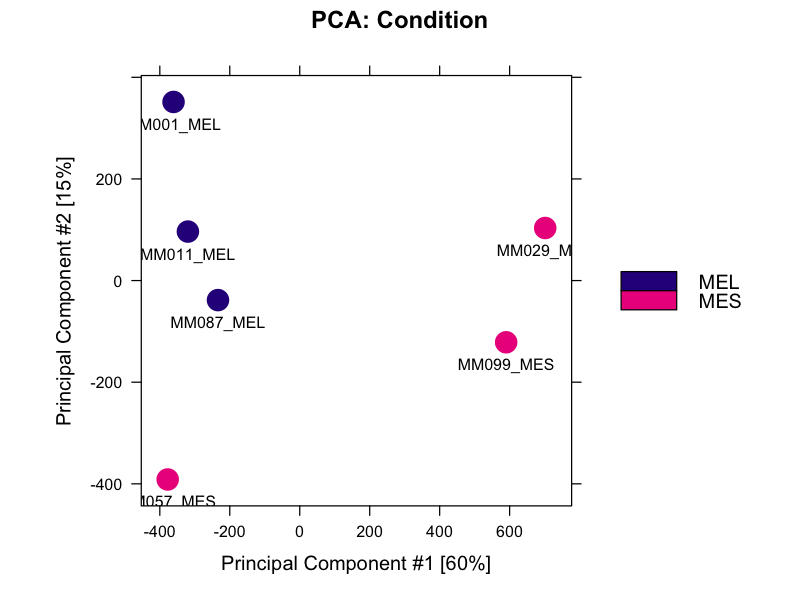
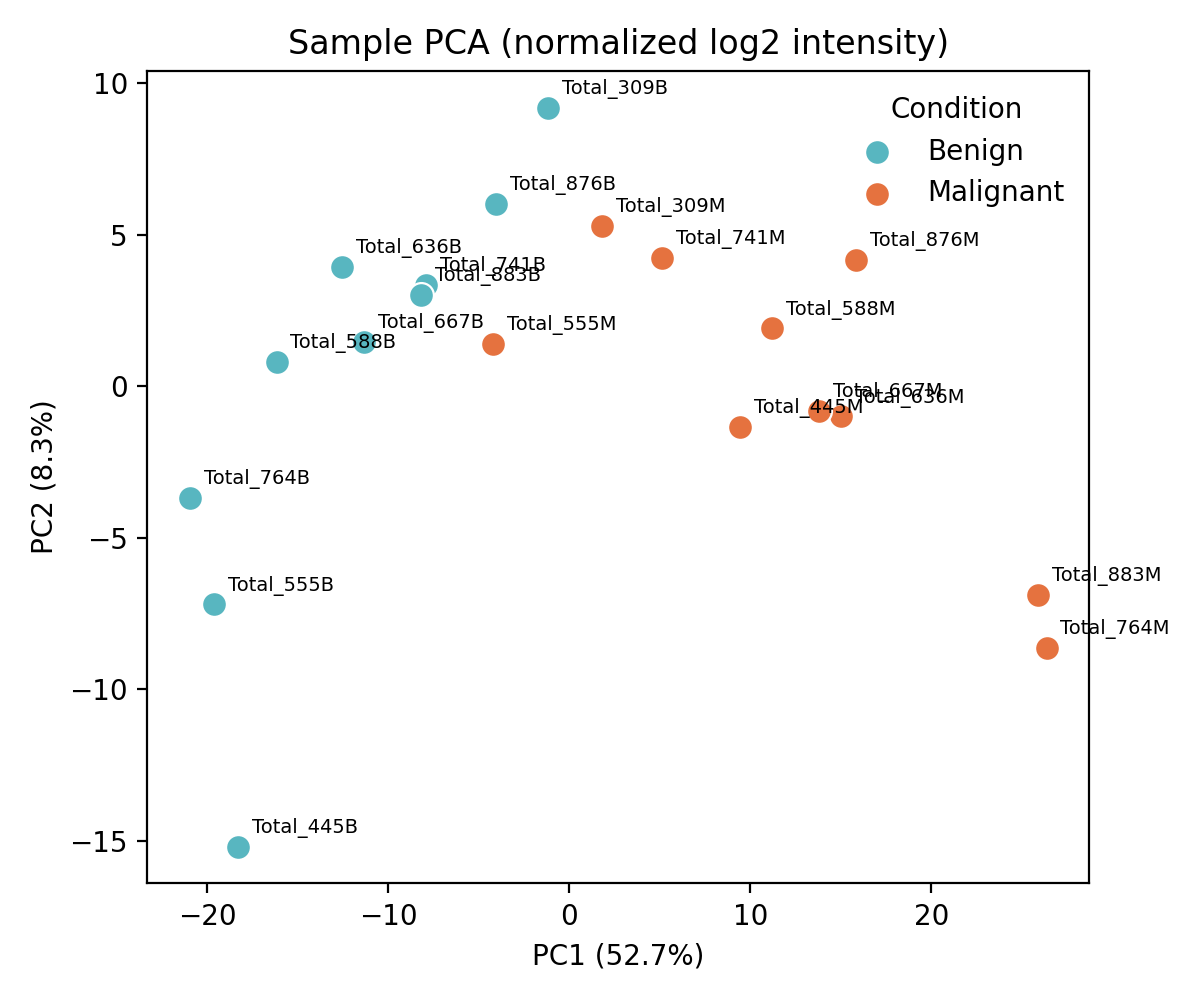
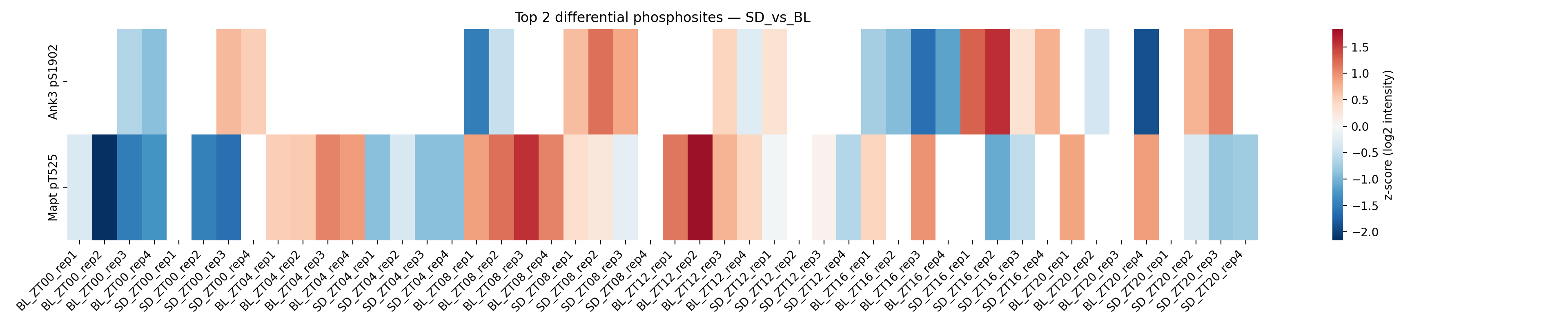
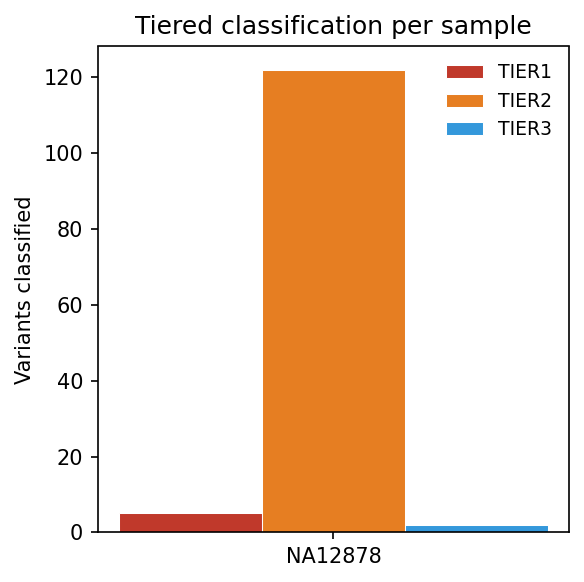
For each omics pipeline we run a published reference dataset end-to-end and
report what was recovered versus what was expected. This is the technical
evidence behind the case studies — same code paths, public data, verifiable
results.
For real client deliverables in plain English, see /case-studies.
Each validation run takes a publicly-available dataset where the expected
biological signal is already published, processes it through the production
OmicsDesk pipeline unmodified, and reports what was recovered. A pipeline
that can recover canonical signals on public data is the same pipeline that
will be run on your data — the code path is identical.
Analytics on this site
This site uses no advertising or profiling cookies. We would like to use Cloudflare Web
Analytics, a privacy friendly and cookie free tool, to count page views so we know which
articles are useful. It runs only if you say yes. Declining changes nothing about how the
site works. Details in the
privacy and cookie policy.